
Chinese Karaoke Restaurant at Santo Amaro Marina, Lisbon
In the former martitime warehouses transformed into restaurants, cafès, bars and nightclubs, overlooking the iconic 25 de Abril Bridge at the Santo Amaro Docks – one of Lisbon’s liveliest destinations – Elsa Sibuet has completely reimagined a restaurant to transport guests to Asia.
Location: Golden Vista Karaoke Restaurant
Project Type: Commercial – Restaurant
Area: 160 m²
Scope: Complete interior fit-out of a shell space
A two-storey commercial space was entirely redesigned and reconfigured to become a one-of-a-kind karaoke restaurant in Lisbon.
Two French business partners gave interior architect Elsa Sibuet complete creative freedom to design a unique restaurant centred around an immersive Chinese experience. The concept was to transport guests, within a single venue, from the lively atmosphere of traditional street-food alleys to a refined and elegant Chinese setting.
As the interior architect, my greatest challenge was creating a visual identity and atmosphere capable of delivering such an immersive experience.
Elsa Sibuet wanted to make a bold statement.
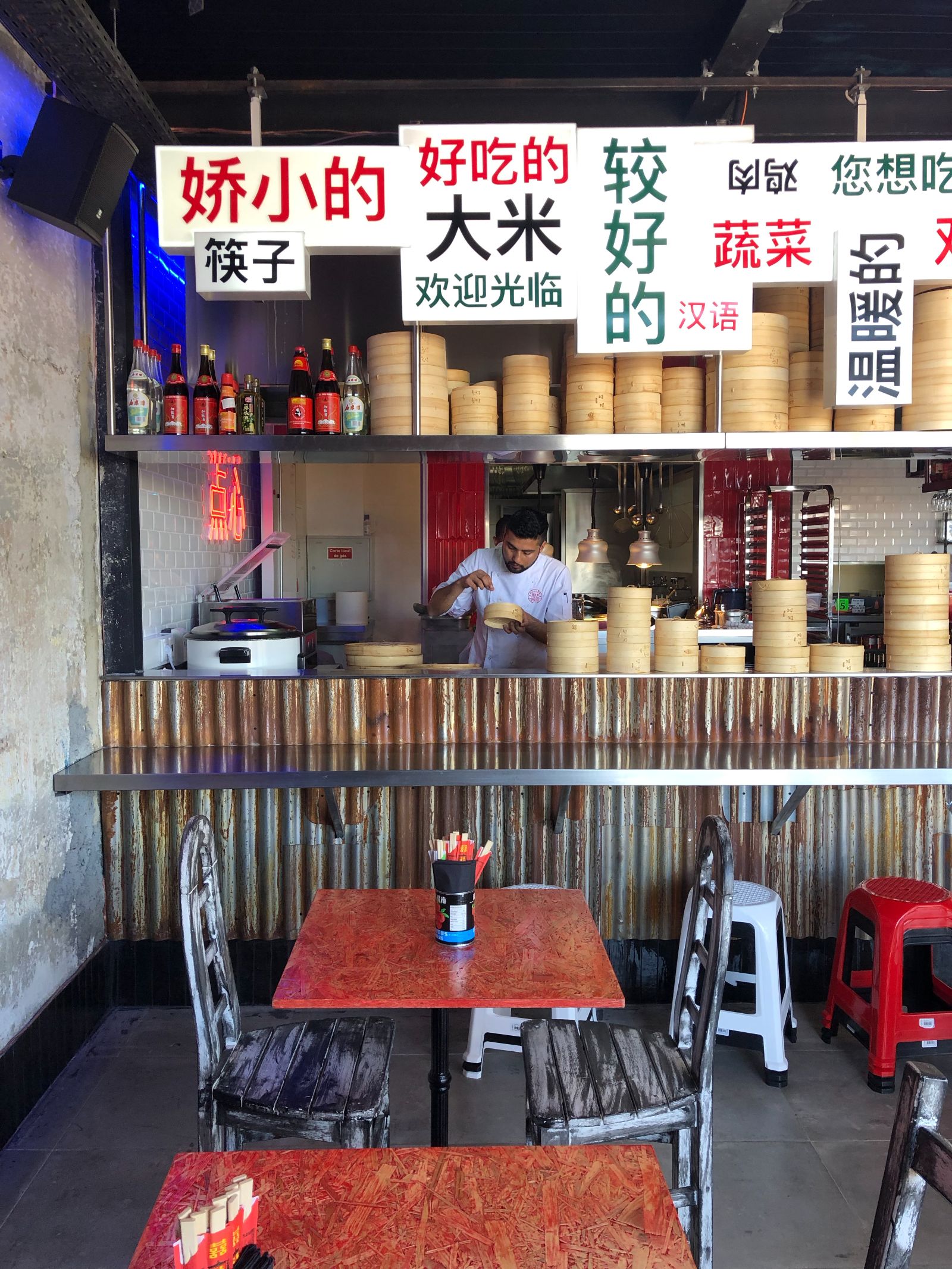
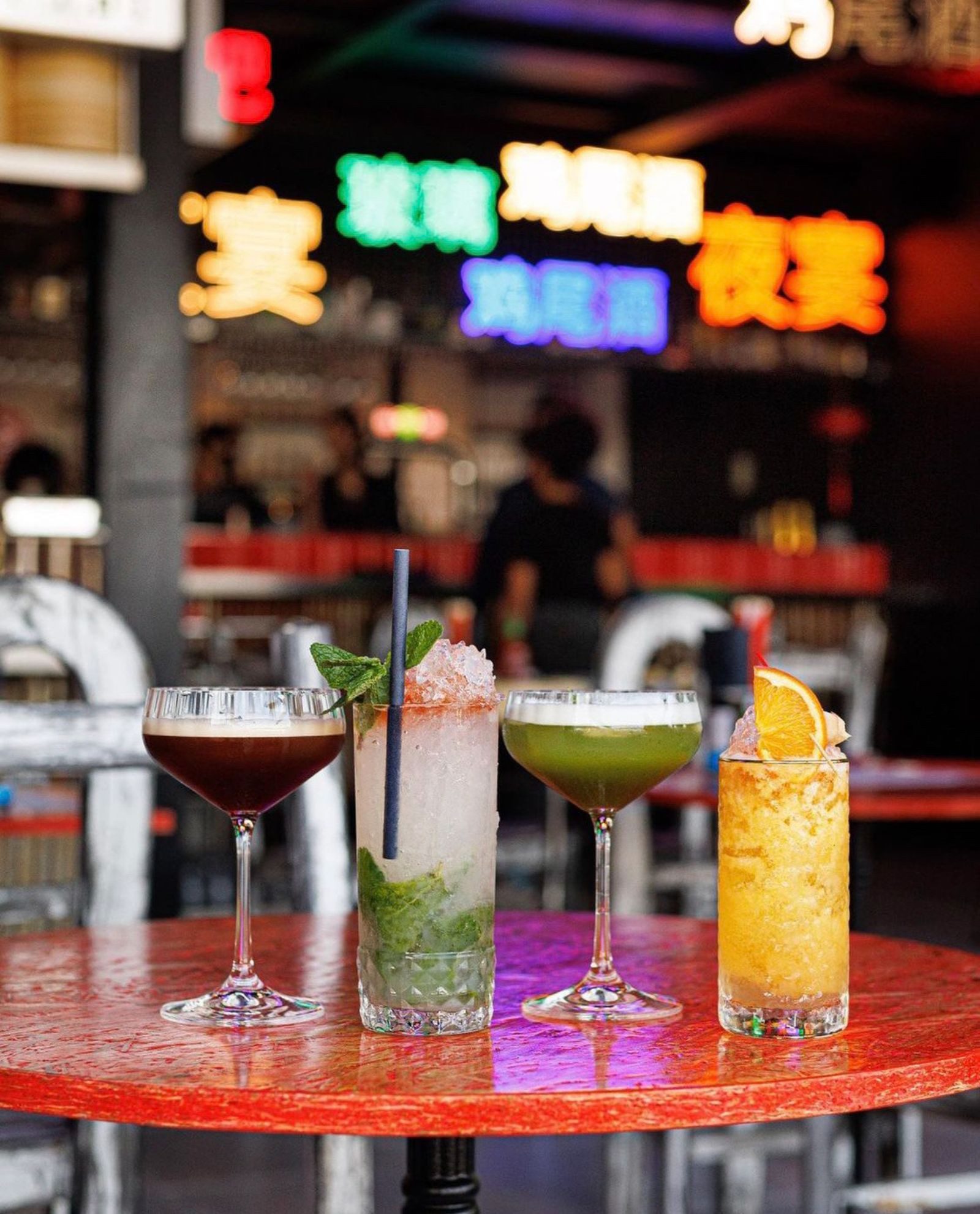
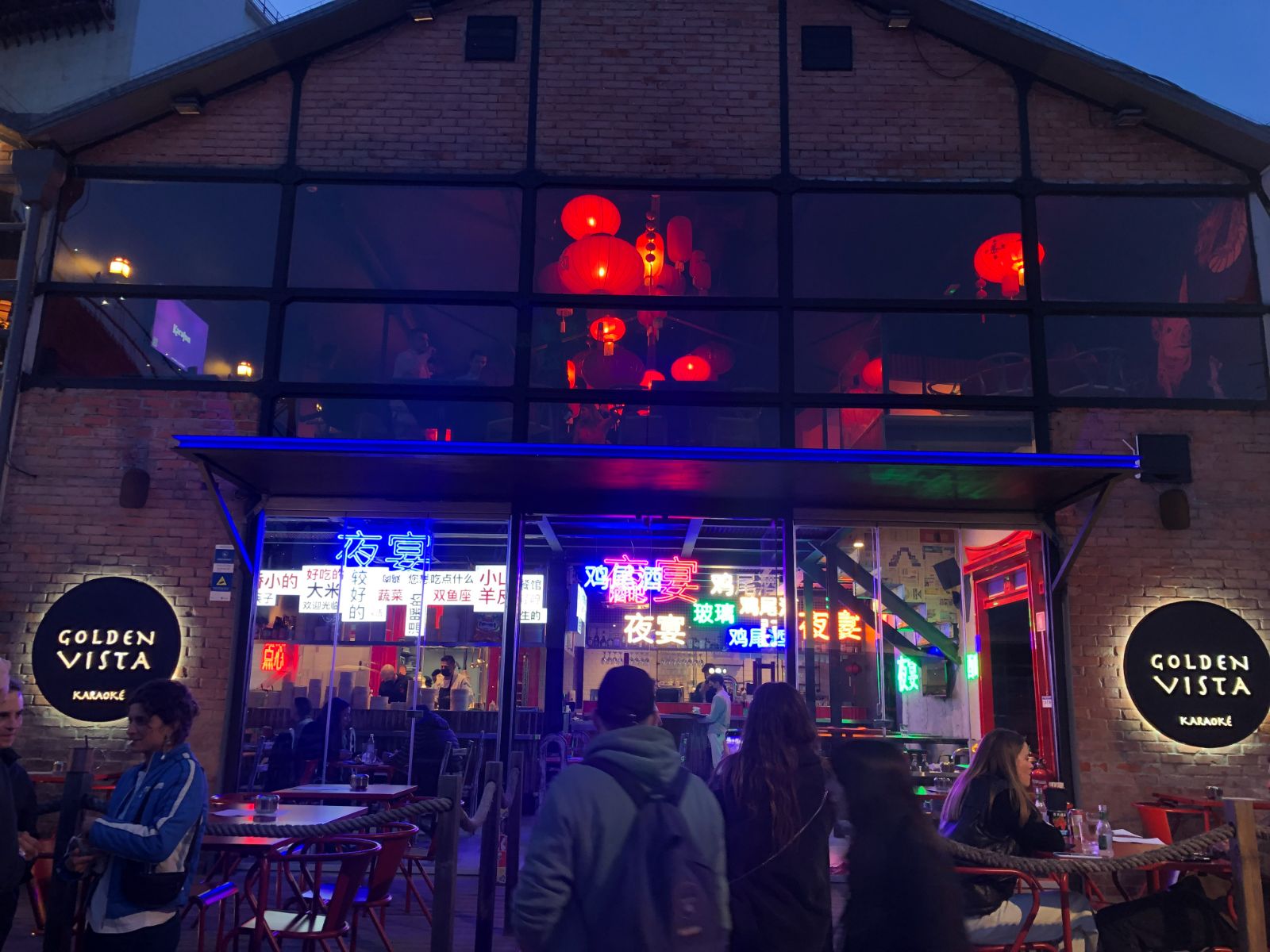
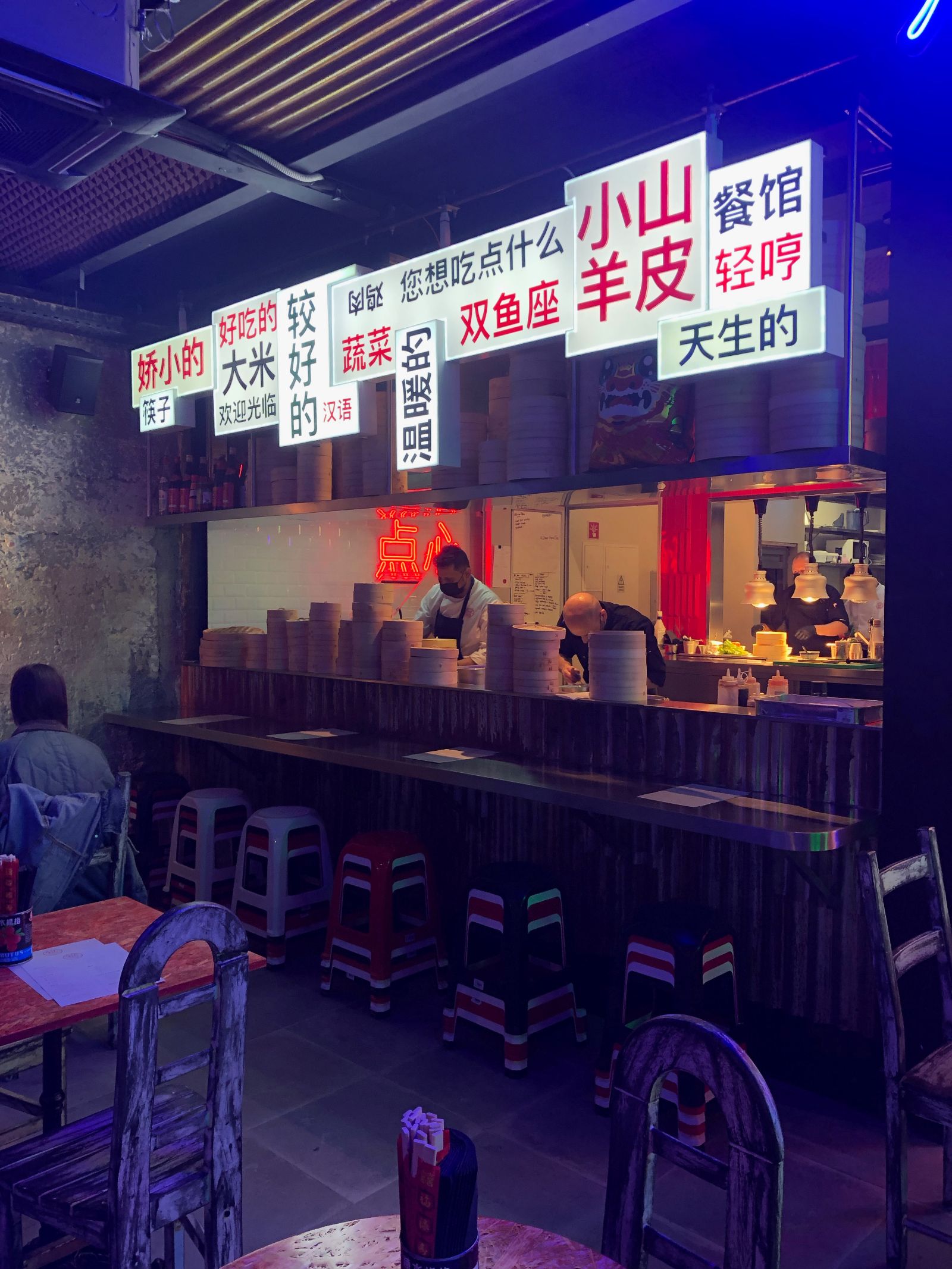
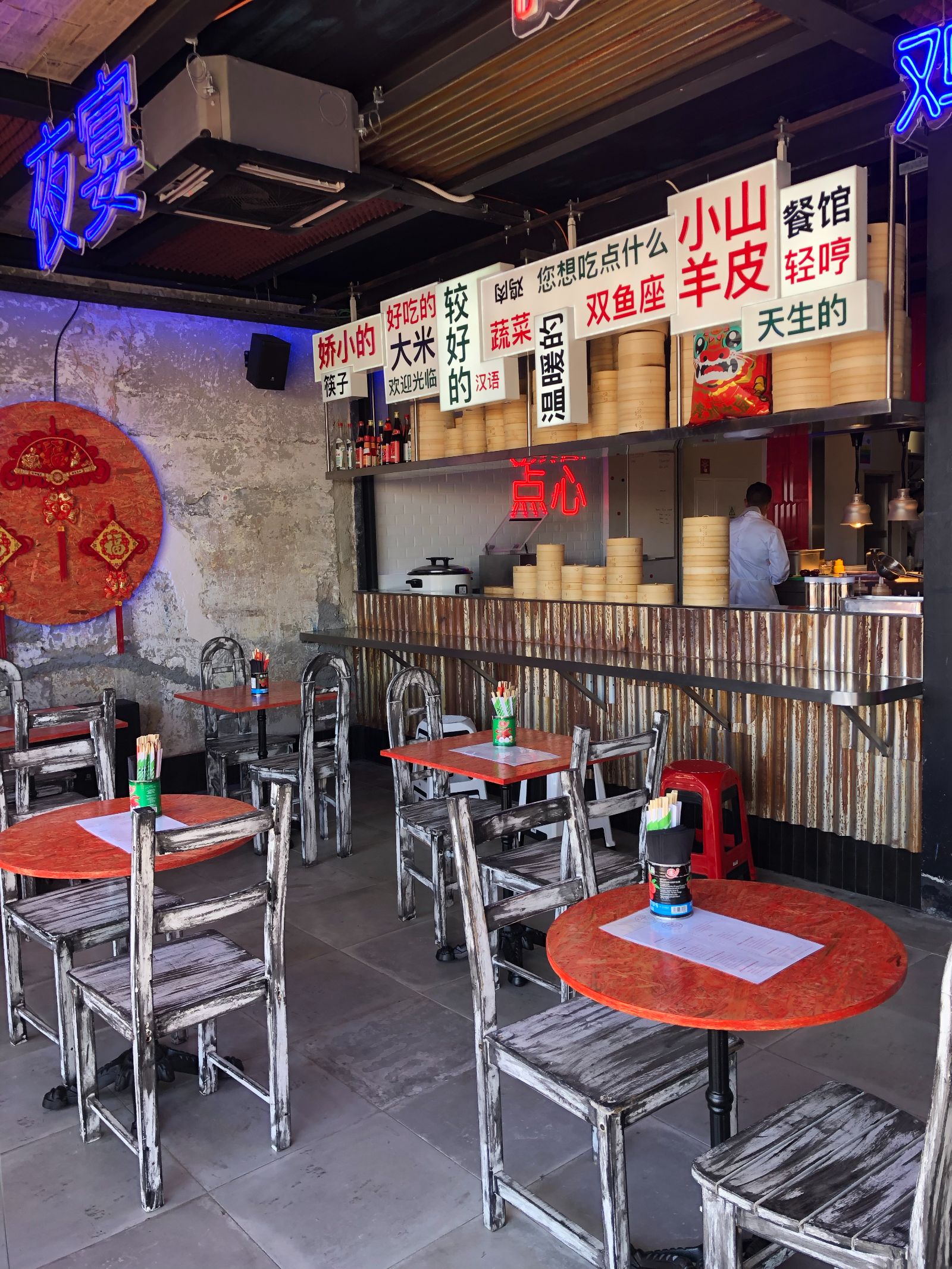
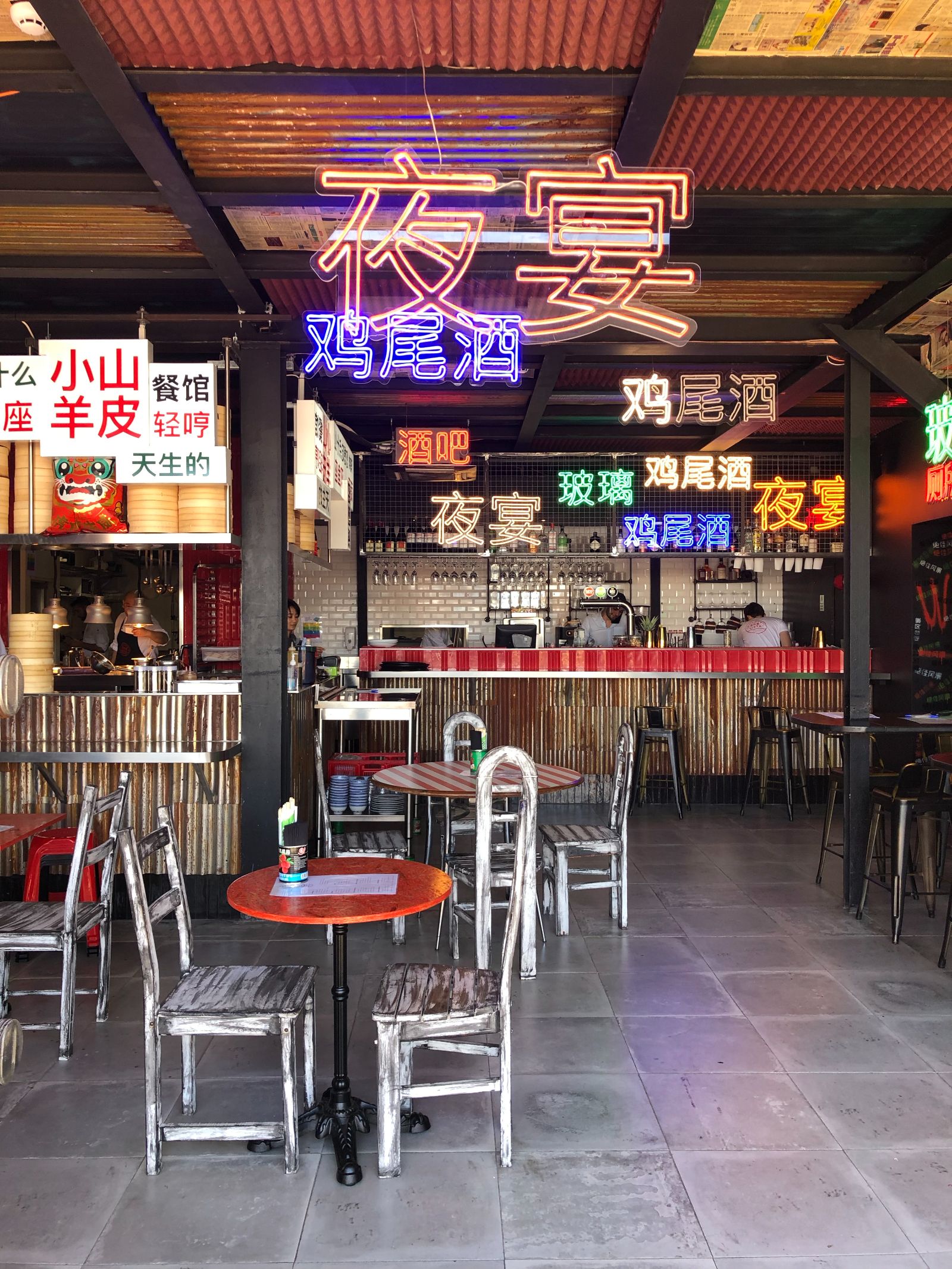
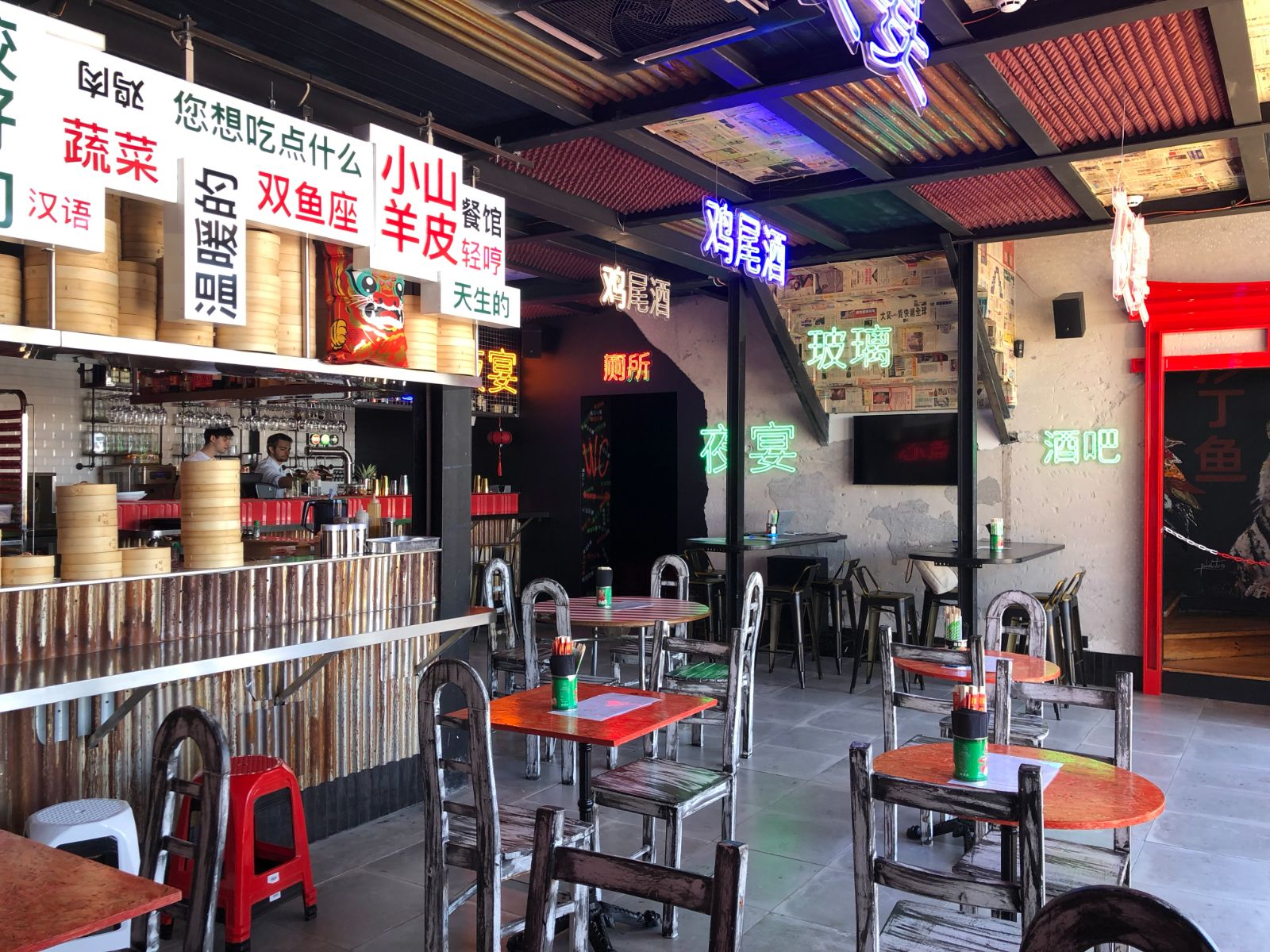
From the moment guests step into Golden Vista, they are transported to the bustling streets of Shanghai. A rich collection of illuminated Chinese signs, reclaimed materials, stacks of dim sum steamers, carefully sourced vintage furniture, an open kitchen on one side and the bar on the other all come together to create a fully immersive spectacle.
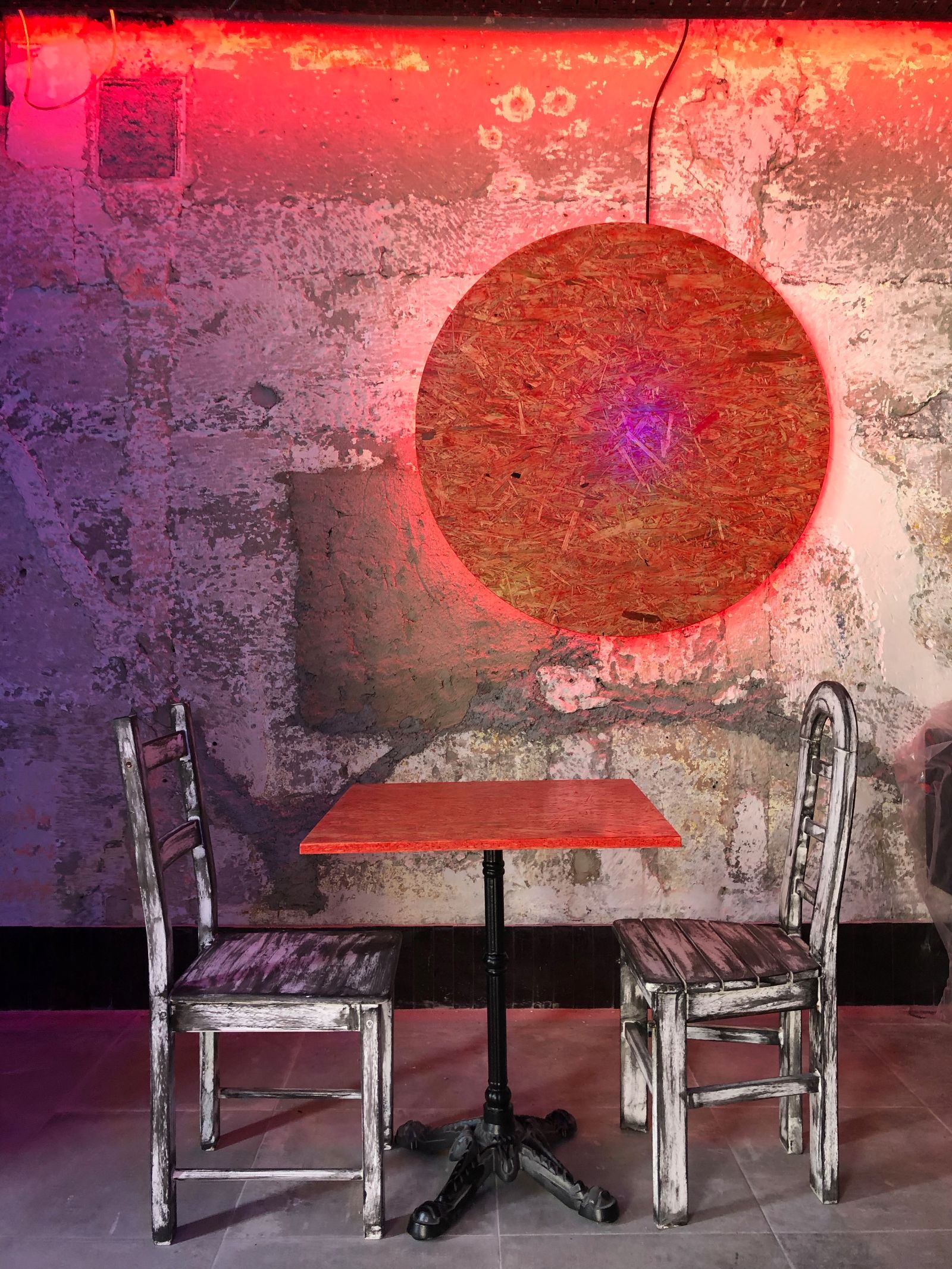
The walls were stripped back to expose their original character, enhancing the authenticity of the space. Acid-aged steel panels and Chinese newspapers blend across the ceilings alongside acoustic panels.
Stacks of bamboo steam baskets, plastic stools placed in front of the counter, weathered vintage furniture, stainless steel finishes, and metro tiles immerse guests in a vibrant street-food atmosphere reminiscent of the old commercial districts of Asia.
Two spaces, two distinct experiences.
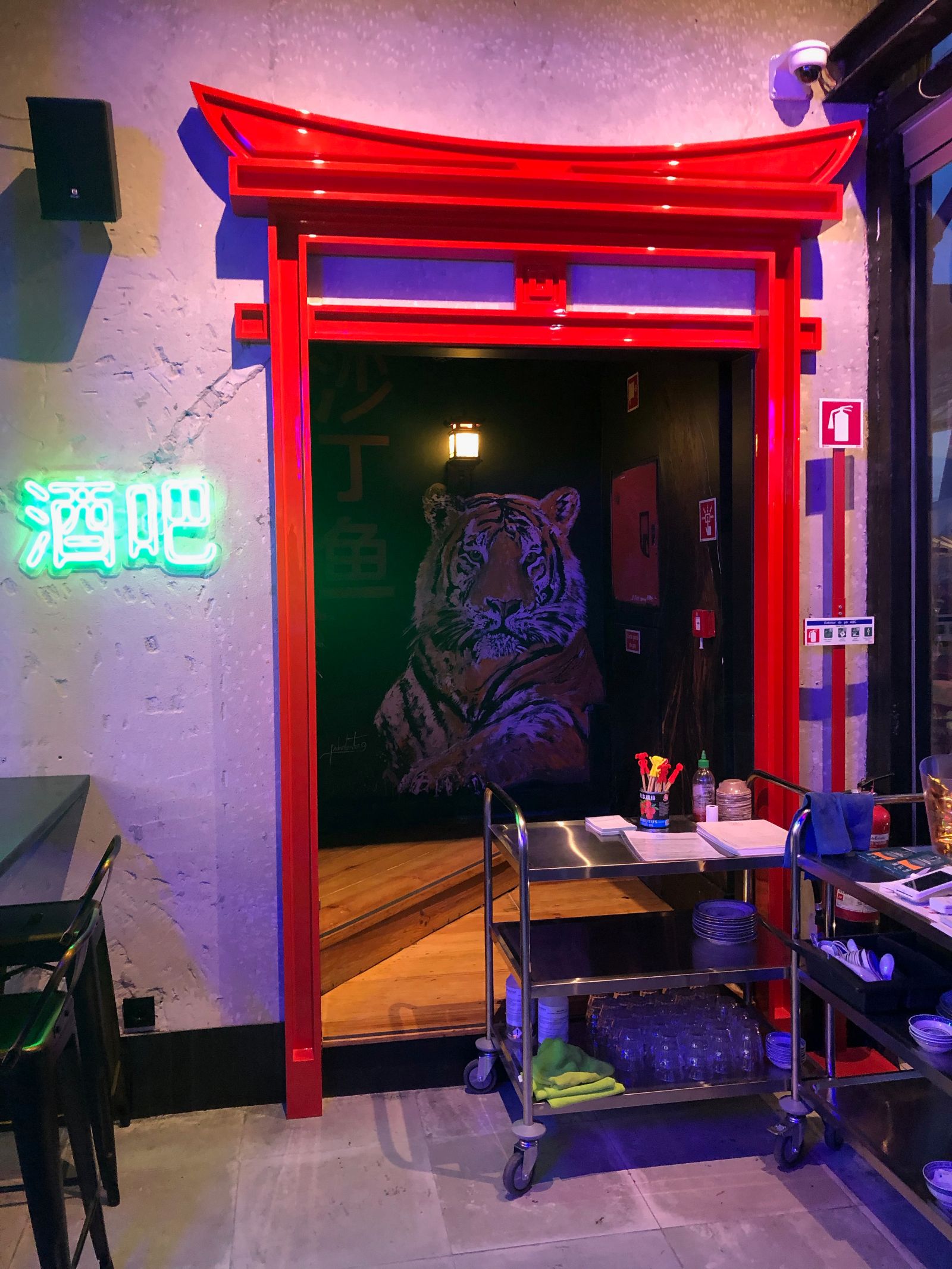
The ground-floor “Street Food” area features a traditional red lacquered Chinese gateway framing the staircase. This area also showcases artwork by Portuguese artist Pedro, who painted the animals of the Chinese zodiac against a black background, guiding visitors toward the main dining room. Every detail has been carefully considered, ensuring that no space is left to chance and every element contributes to transporting guests to China.
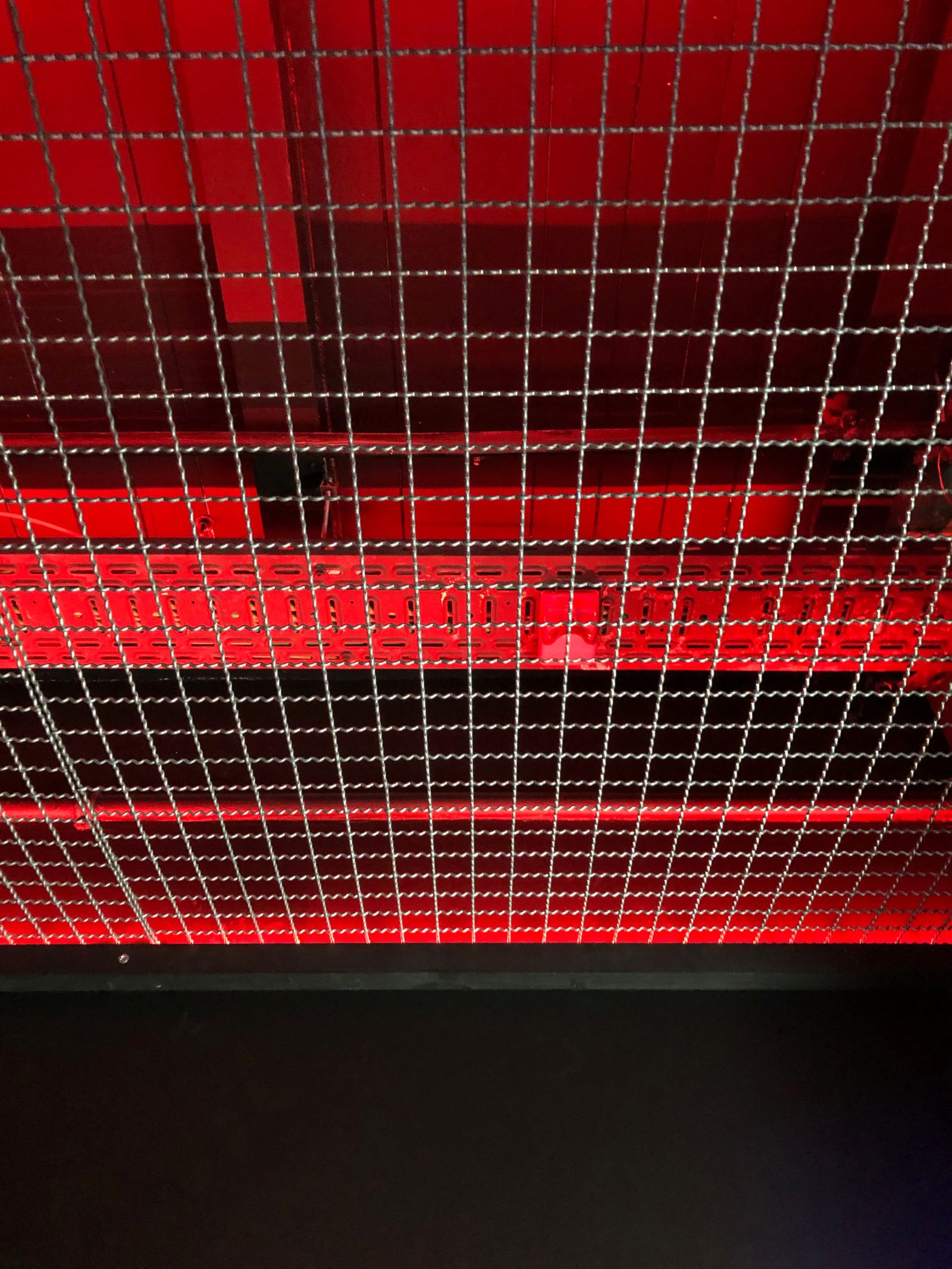
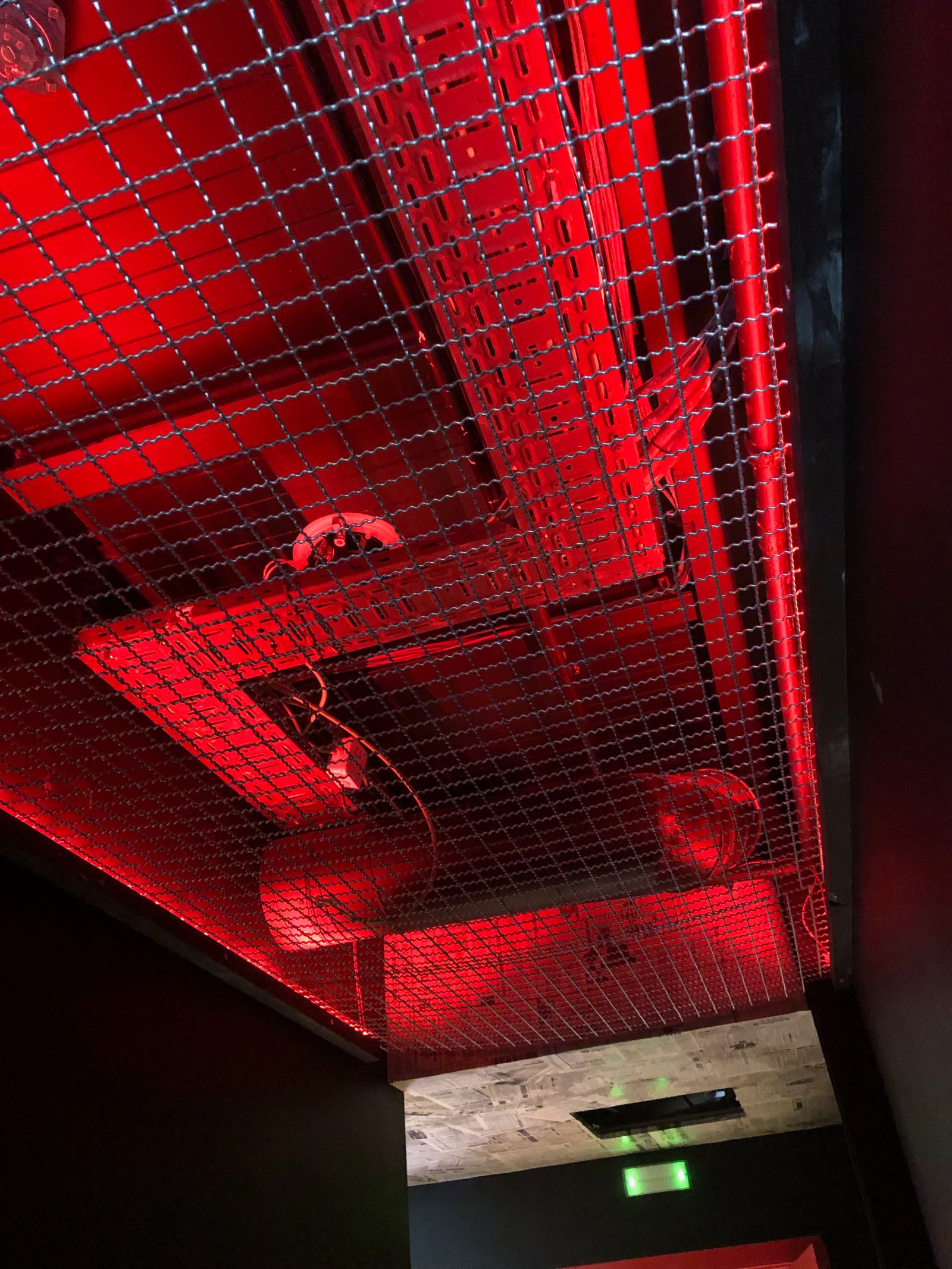
In the corridor leading to the restrooms, the suspended ceiling was removed to expose the electrical and ventilation systems. These are concealed behind metal mesh with indirect red lighting—a subtle tribute to the vibrant urban disorder characteristic of many Asian cities.
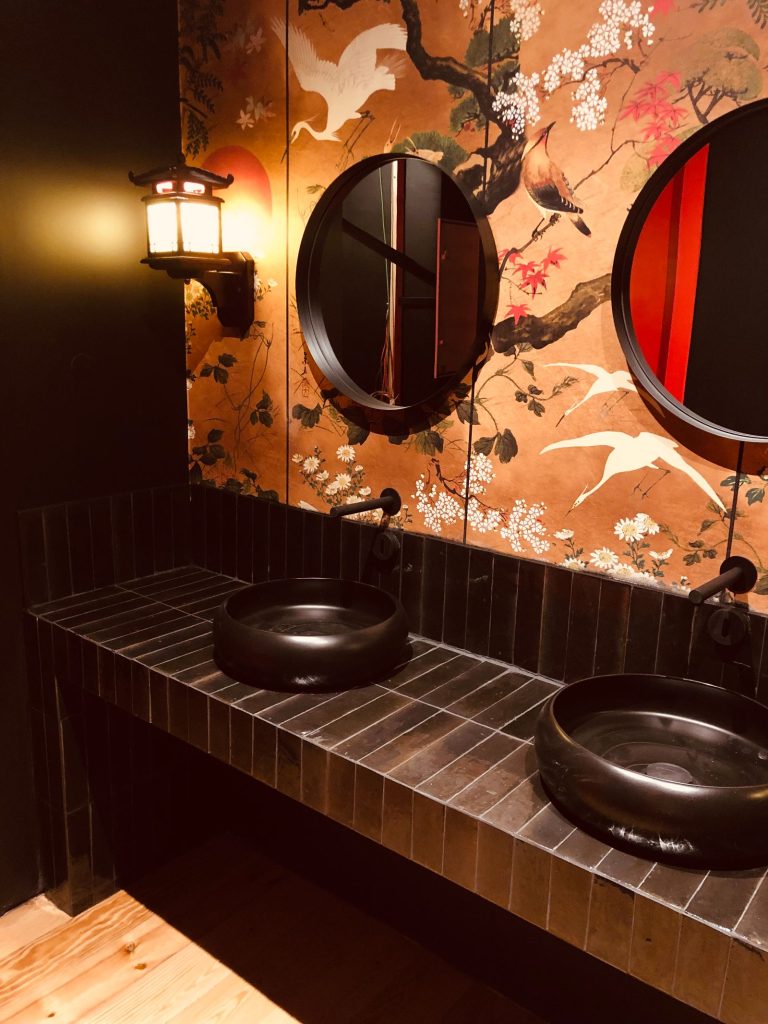
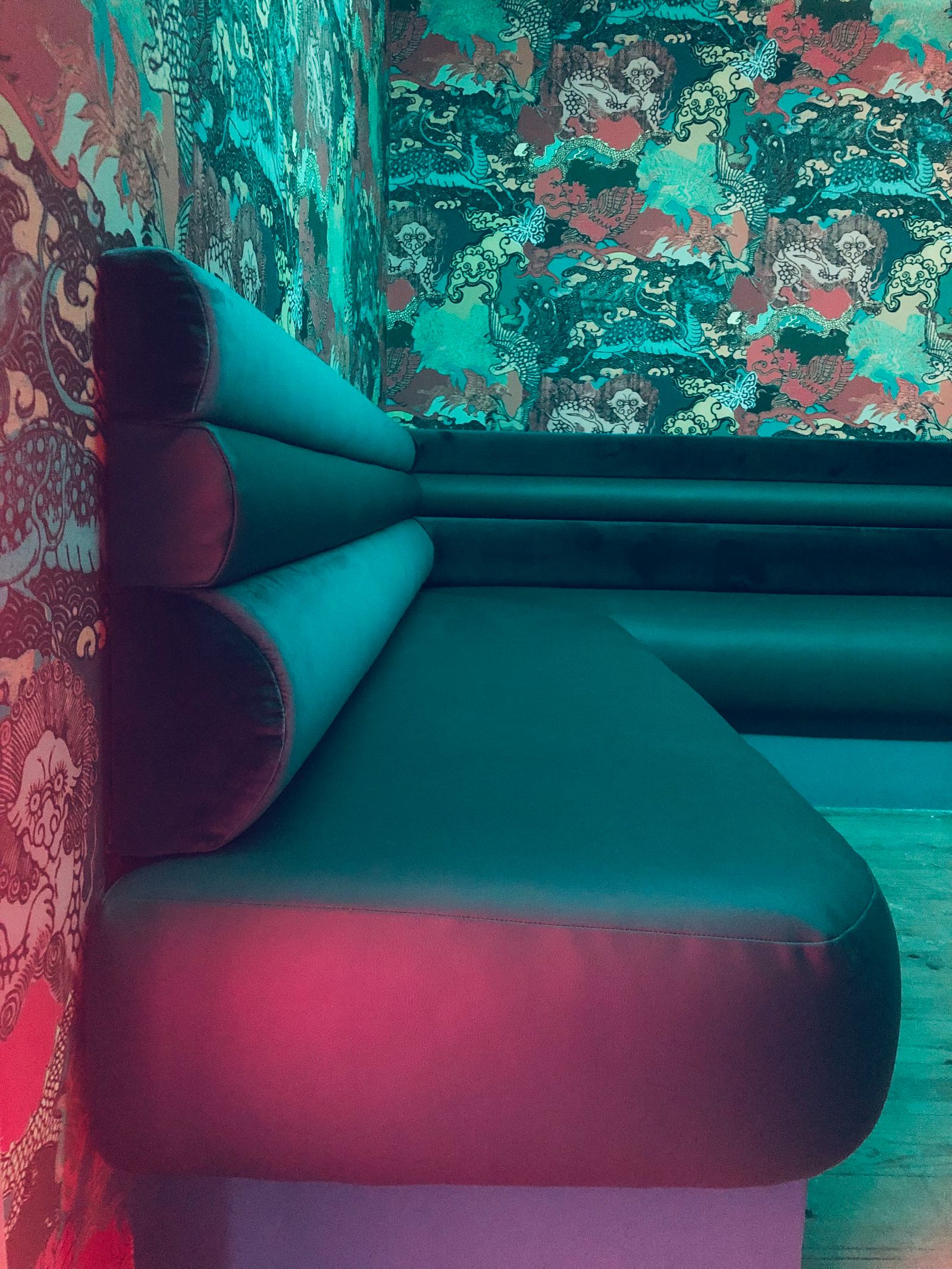
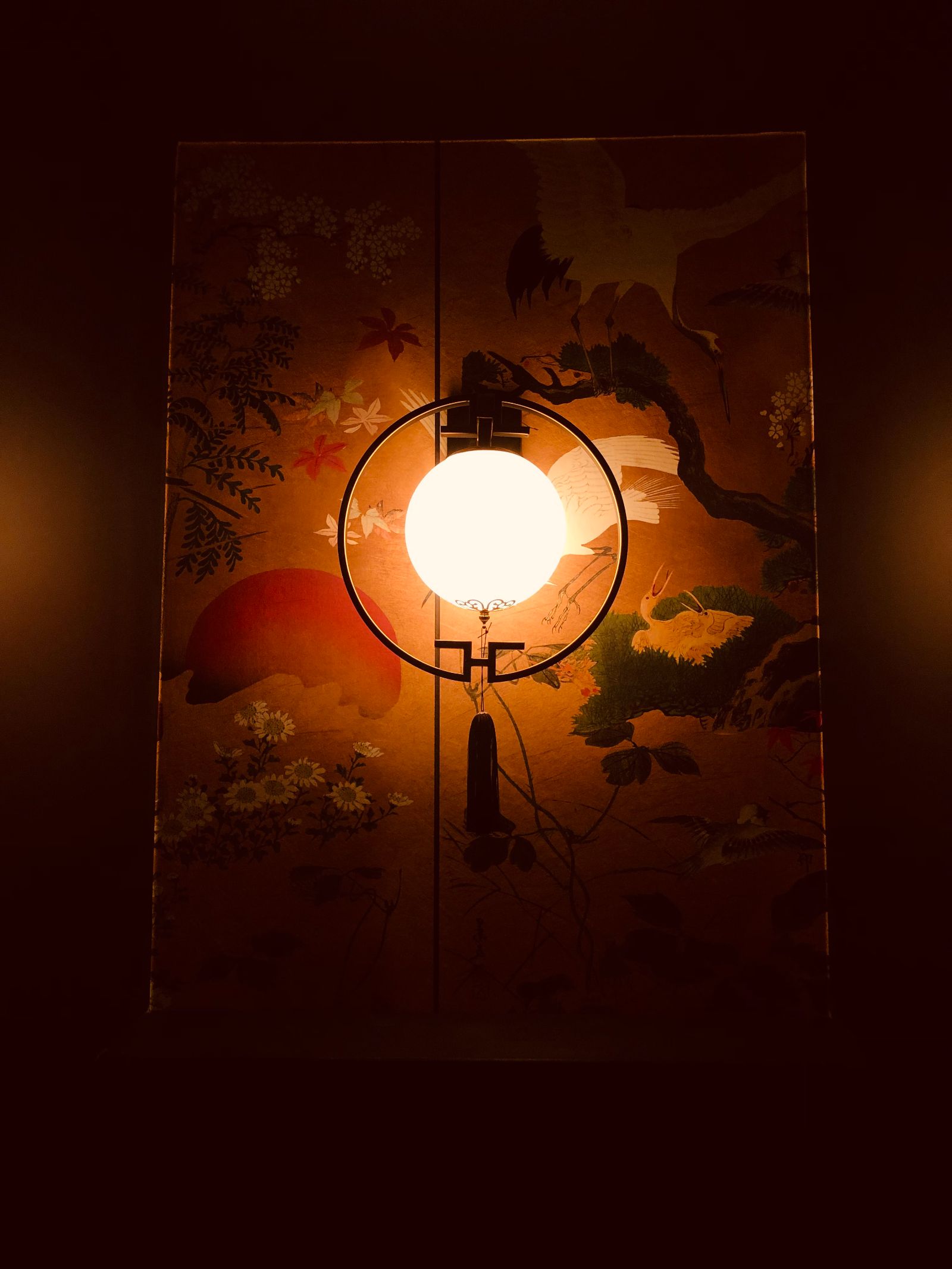
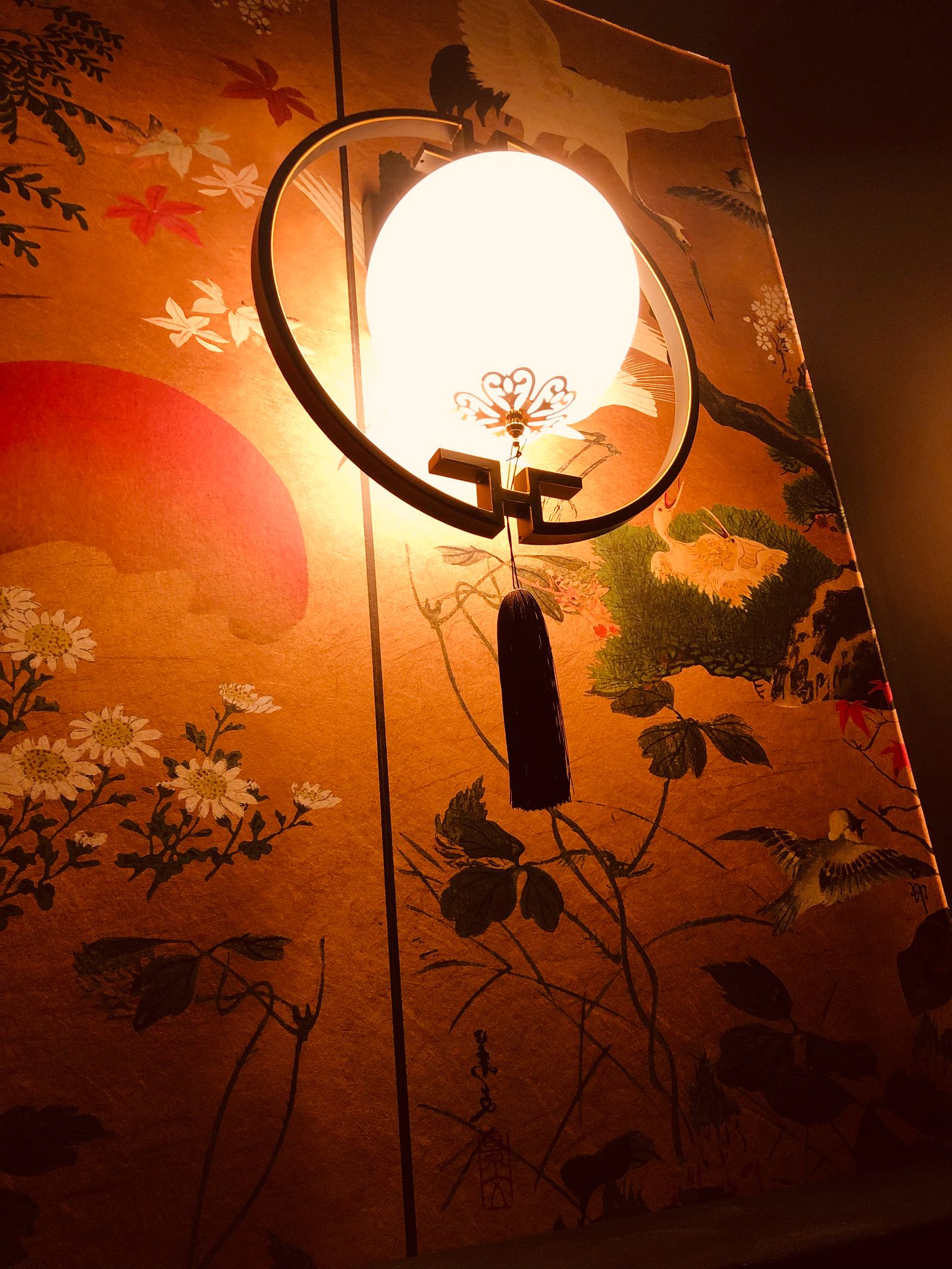
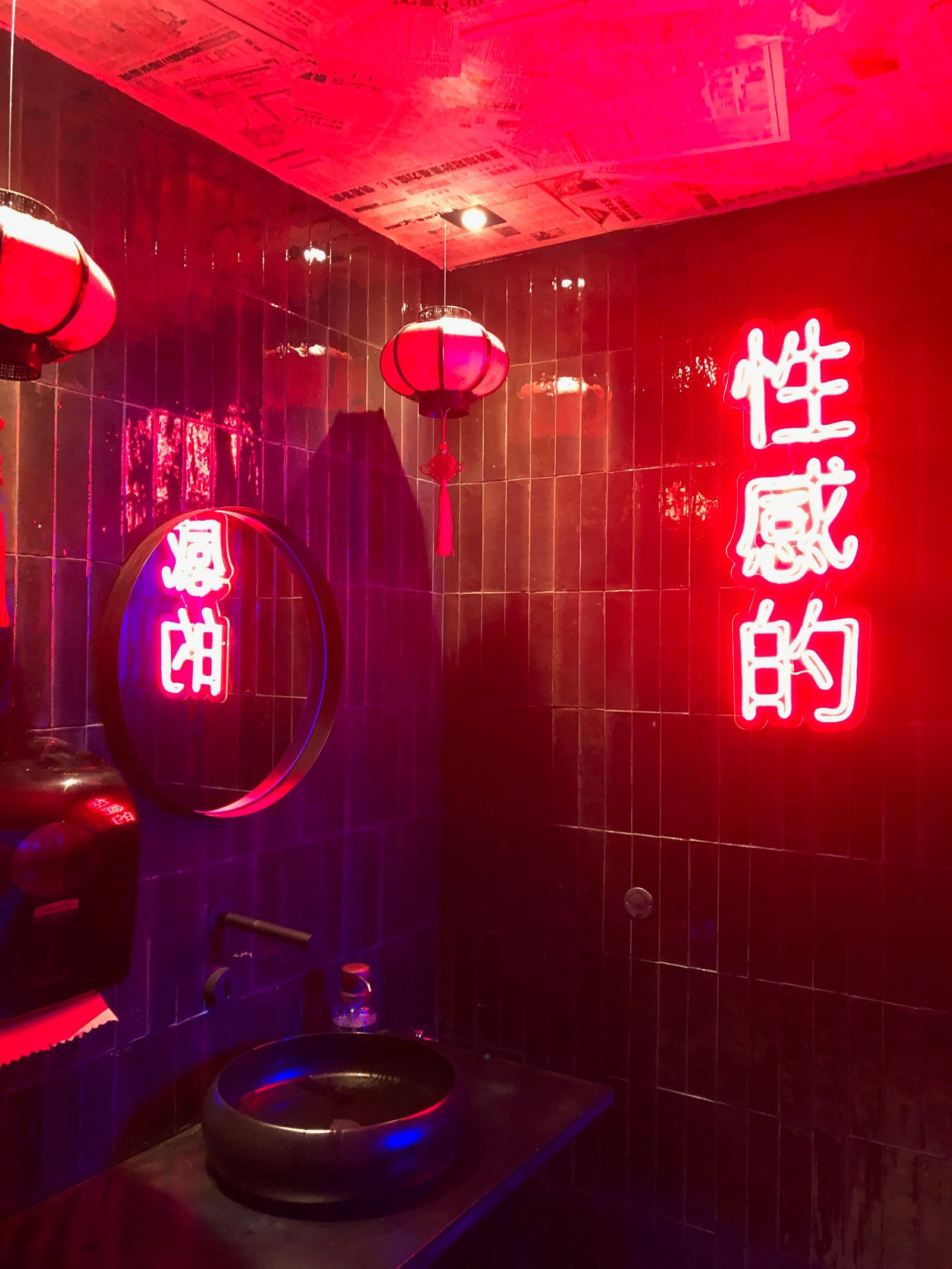
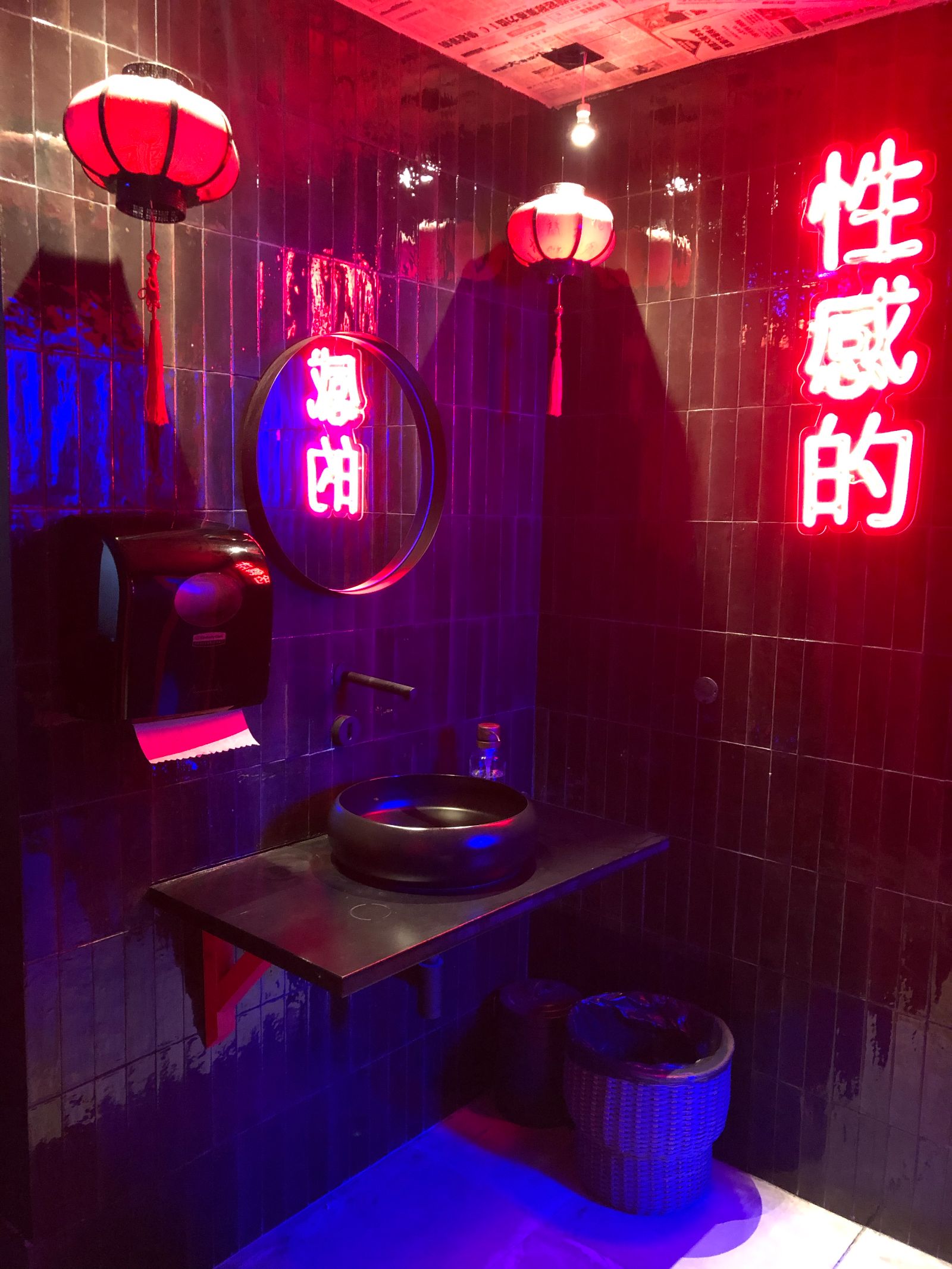
In contrast, the restrooms provide a calm and sophisticated retreat. The walls are finished with traditional Asian wallpaper, creating a harmonious blend of heritage and elegance.
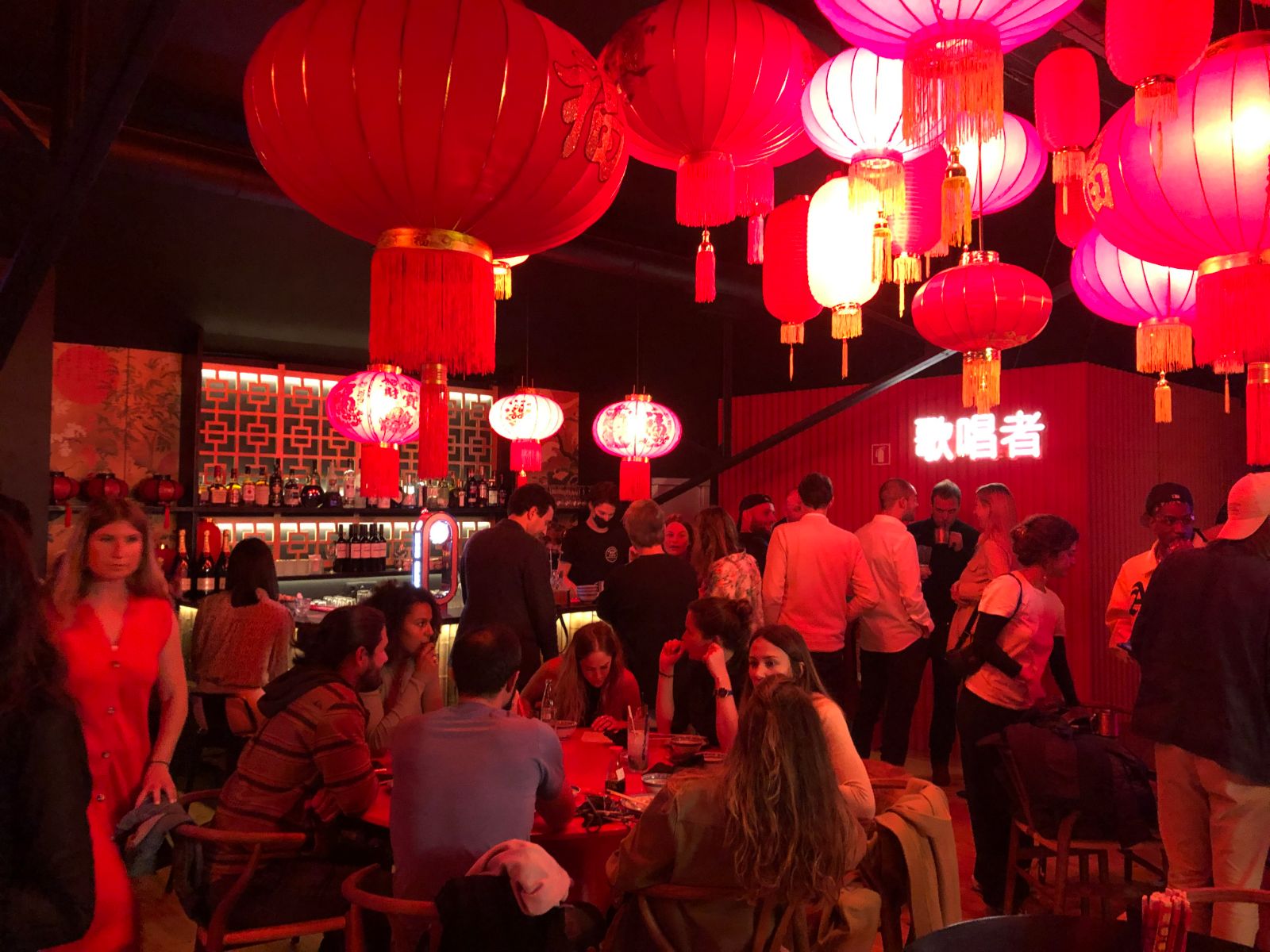
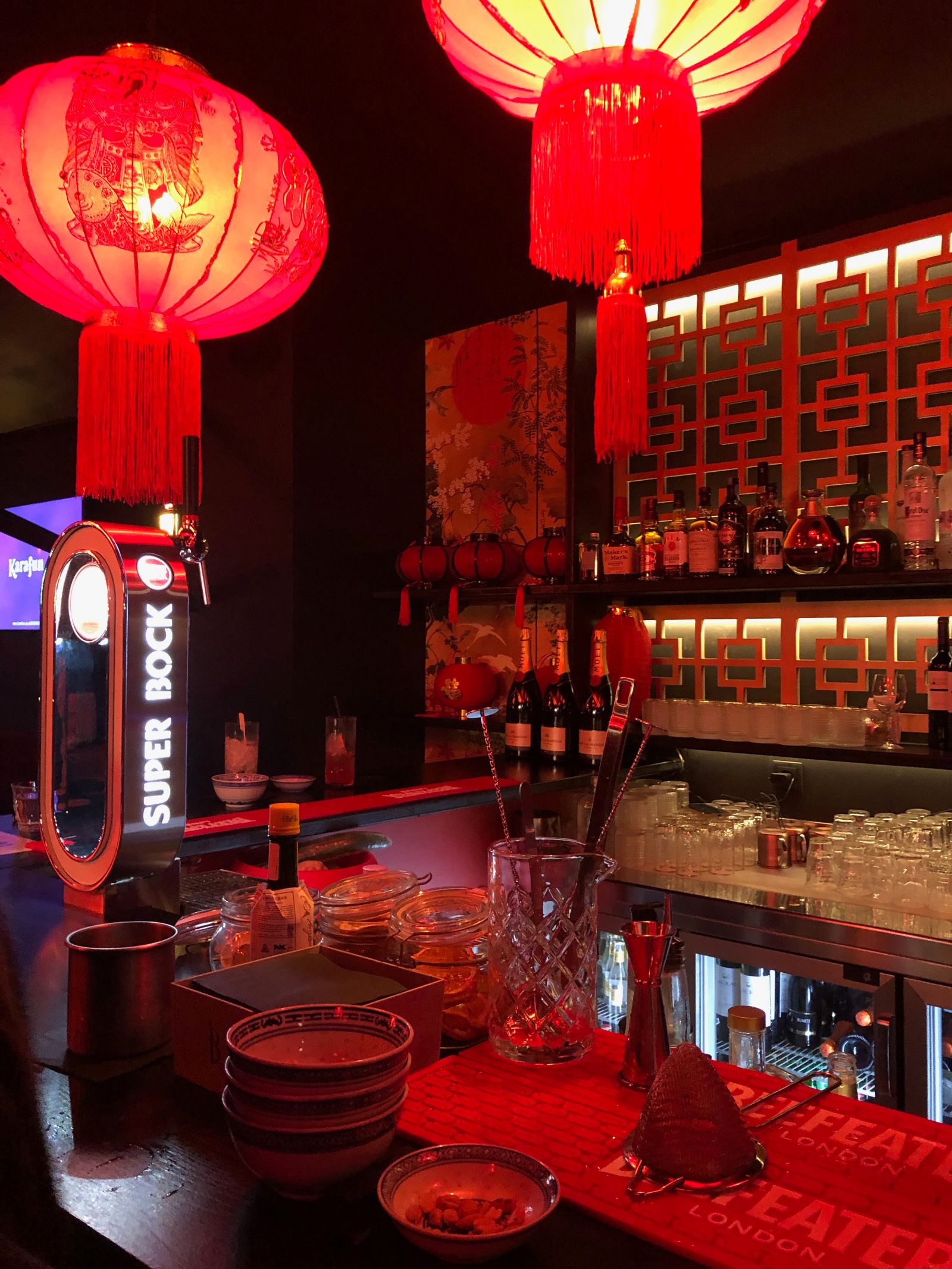
The karaoke space, featuring a dramatic double-height ceiling, is filled with a choreographed arrangement of red lanterns in varying sizes and shapes, lending the venue an exotic elegance.
This generous volume allowed the interior architect to realise the original vision of incorporating shipping containers into the design. One container was opened to create the performance stage, while the other remains enclosed as a private karaoke room.
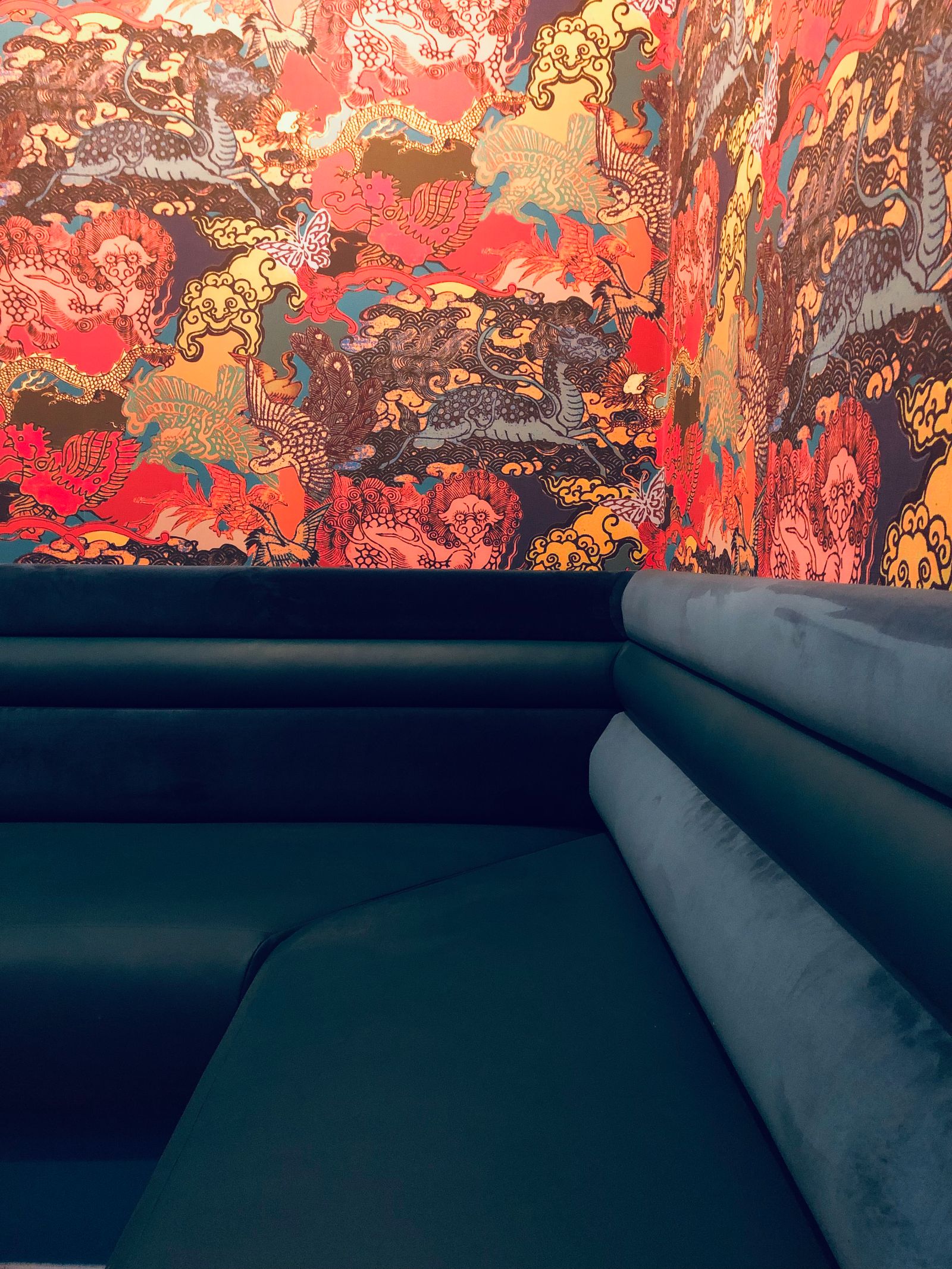
Inside the karaoke container, guests are immersed in an intimate and unconventional atmosphere, featuring an elegant turquoise-blue velvet banquette and walls decorated with a mural of Chinese dragons.
The bar is clad in bamboo, while behind the counter a bespoke joinery installation reinterprets traditional Oriental motifs, enhanced by integrated backlighting.
Creating interiors that transport visitors into a themed environment and deliver a memorable sensory experience is a challenge that Elsa Sibuet enjoys embracing in every project entrusted to her.
In a city such as Lisbon, where commercial venues are plentiful, helping restaurateurs distinguish themselves through unique and memorable concepts is essential.
Looking for an interior architect for a commercial project in France or Portugal?